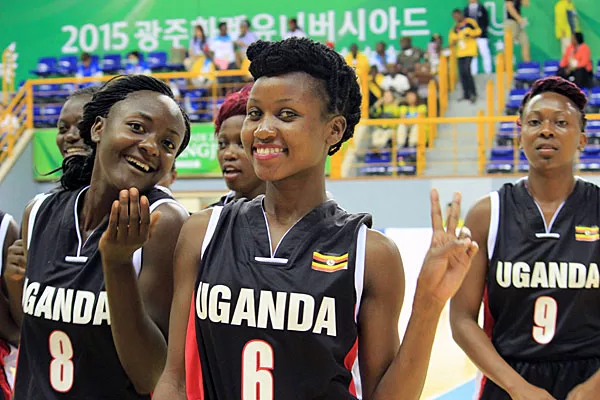
Women’s sport in Uganda has become more visible because athletes, coaches and organisers have kept creating places to play, train and compete. Netball has long had a strong base, while women’s football, athletics, rugby and basketball continue to expand the range of opportunities. Progress is not only measured by a national-team result; it is also visible when more girls can see a clear route from school sport to club and representative competition.
Visibility changes what feels possible
The phrase all bet in uganda may be part of matchday chatter, but the more valuable story is the work that makes women’s sport sustainable. Regular fixtures, qualified coaches, safe facilities and consistent media coverage all matter. When those elements improve together, athletes do not have to rely on one exceptional tournament to be noticed.
Women’s sport becomes stronger when success is treated as part of the normal calendar rather than an occasional surprise. Netball and football both show how repeated fixtures, recognisable players and local coaching can make ambition feel practical for younger girls. The people involved are women and girls who play, coaches, teachers, parents, club organisers, officials, media teams and national-team role models. In that setting, details such as regular fixtures, quality coaching, safe travel, visible pathways, balanced coverage and whether young players see women in leadership roles are not background noise; they shape the experience and reveal what needs attention. A useful habit is to notice the sequence rather than only the headline moment: preparation, the opening phase, the adjustment made during the contest and the conversation after it. That sequence shows how sporting culture is produced by ordinary work. It also gives people who are new to the subject a practical way to join the discussion without pretending to know everything immediately. This early work is easy to miss, yet it often determines whether the event feels calm, accessible and worth repeating for a first-time visitor as well as for a committed participant.
Netball’s established platform
Netball gives Uganda a major platform in women’s team sport. The She Cranes have helped make the game recognisable well beyond local courts, and their performances have shown that Ugandan teams can compete with established international programmes. The sport’s pace, precision and tactical detail also make it easy for new spectators to understand why a single turnover can transform a match.
At domestic level, the priority is continuity. Young players need school competitions and club environments where training is regular, coaching is thoughtful and talent is not lost after one age group. Stronger domestic structures make national-team selection more competitive and help players arrive at international camps with a better technical base.
Netball has particular value because it can connect school participation with high-level competition. The speed of passing, movement and shooting gives coaches clear skills to develop, while team structures teach communication and responsibility. Behind that visible activity sits a system: secure access to pitches and courts, appropriate equipment, qualified coaches, safeguarding, clear competition structures and dependable communication. These elements may seem administrative, but they decide whether preparation is calm or rushed and whether a sporting space feels open to the people it is meant to serve. When those basics are visible, participants can spend their energy on playing, coaching and supporting rather than solving avoidable problems at the last minute. The public also learns to trust that an event will be worth its time. The practical test is whether people can understand what is expected of them, prepare in good time and focus on the sporting task rather than on avoidable uncertainty.
Football and the next step
Women’s football offers another path for growth. League fixtures, youth teams and regional tournaments are useful because they give players meaningful minutes rather than only occasional showcases. The game benefits when clubs treat their women’s sides as a long-term part of the organisation, with access to coaching, medical support and clear communication about fixtures.
Supporting women’s sport means following it beyond final results. Attend games where possible, share reliable fixture information and value the same skills that are praised in men’s competitions: decision-making, technique, resilience and teamwork. If betting is part of an adult’s entertainment, it should never replace that support or create pressure around athletes who are building the next stage of Ugandan sport.
Women’s football needs visible competitive steps. A girl who begins at school should be able to see how training, club football, regional opportunities and age-group programmes might lead to a higher level without requiring guesswork. A closer observer can use regular fixtures, quality coaching, safe travel, visible pathways, balanced coverage and whether young players see women in leadership roles as a guide, then compare what was planned with what unfolded. The same final result can have several causes, so it helps to watch where pressure appeared, who adapted and which small decision changed the balance. This approach also discourages simple blame. It allows a supporter to recognise a good decision in defeat or identify a weak pattern in victory, which is a much fairer way to talk about athletes and teams. Keeping a short record of these details from one event to the next is often enough to reveal a pattern that a single score, clip or headline would hide.
Progress needs regular attention
A strong women’s sports system cannot depend only on a few exceptional athletes. It needs school programmes, safe transport, coaching courses, regular leagues and media coverage that treats fixtures as part of the main sporting calendar. These are practical changes, but together they determine whether talent remains in sport long enough to reach its potential.
The public can help by following results, attending competitions and talking about performances with the same seriousness given to any other sport. Visibility creates accountability, and accountability helps programmes improve. Every well-run match gives the next young player a clearer picture of where she might go.
Coverage matters because it records the work behind results. Reporting on coaching, fixtures, injuries, selections and player development tells young athletes that their sport is taken seriously even when no final or trophy is taking place. This is where girls moving from school participation into clubs, regional competitions and, for some, national-team environments becomes important. Development works best when expectations are clear and the next opportunity is earned through learning, not through pressure to look finished too early. That is why patience is a competitive advantage. A system that gives people time to learn, recover and return after a setback is more likely to produce capable adults than one that chases a fast result from every young participant. That is particularly important for young participants, who need feedback that explains what to practise next instead of a verdict that labels them too early.
Sport needs room for every athlete
When girls and women see regular competition, professional standards and visible role models, sport becomes a more realistic choice. Uganda can keep that momentum by treating women’s fixtures as a normal and valuable part of the sporting week, rather than as an occasional extra, and by keeping participation open for the long term.
Practical support is often the deciding factor. Safe facilities, transport, kit, timetable awareness and adults who understand safeguarding can determine whether a promising player continues when school and family commitments become demanding. The lasting standard is straightforward: progress is meaningful only when participation and support are regular, not limited to a major tournament or a promotional campaign. That principle helps supporters, organisers and athletes decide which parts of the experience deserve investment and which habits should be changed. A healthy culture accepts that some uncertainty cannot be removed. What it can control is the quality of preparation, the way people are treated and the willingness to learn after a result has passed. It gives everyone involved a useful decision rule: choose the action that protects participation, learning and respect after the noise of a single result has faded.
A longer view of the subject
The most satisfying way to stay close to this story is to combine attention with patience. Follow the people involved, notice what changes from one event to the next and allow room for work that is not immediately visible. That approach makes each result more meaningful because it sits inside a wider picture of preparation, opportunity and community. It also encourages a better standard of conversation: one in which praise is specific, criticism is fair and participants are treated as people rather than as headlines. For women’s sport in Uganda, especially netball and football, that is the practical meaning of sustained support.
One final point is that women’s sport in Uganda, especially netball and football depends on continuity. When women and girls who play, coaches, teachers, parents, club organisers, officials, media teams and national-team role models can rely on secure access to pitches and courts, appropriate equipment, qualified coaches, safeguarding, clear competition structures and dependable communication, the next season or event begins from a stronger place. That continuity makes it easier to protect girls moving from school participation into clubs, regional competitions and, for some, national-team environments and to keep the standard clear: progress is meaningful only when participation and support are regular, not limited to a major tournament or a promotional campaign