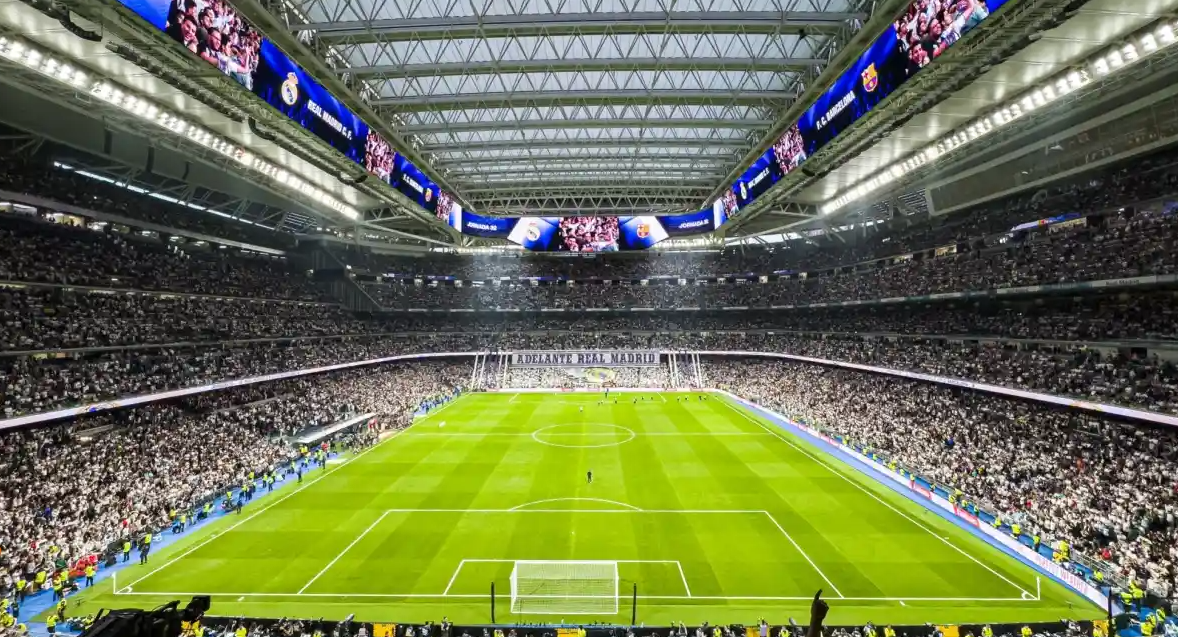
Sports events bring athletes, officials, and spectators together for competitions ranging from local tournaments to international championships. Each event requires careful planning, suitable venues, coordinated staff, and appropriate safety measures. From scheduling matches and preparing facilities to managing crowds and using modern technology, successful organization helps competitions run smoothly and creates a better experience for everyone involved.
A soccer match has 90 minutes of regulation play, but organizing it takes considerably longer. The field needs to be ready, officials must be assigned, equipment checked, and spectators admitted before kickoff. Even a small community tournament involves more work than most people see from the sidelines. Sporting events range from local matches to international championships involving hundreds of athletes. A basketball game, a city marathon, and a swimming championship present very different challenges for organizers. A basketball game takes place on a fixed court with a predictable number of players. A marathon stretches across public roads, while a swimming championship may involve dozens of races over several days. Understanding these differences helps explain how competitions are planned, why certain venues are chosen, and what happens before, during, and after an event.
The Different Types of Sports Events
Sporting events can involve individual contests, seasonal leagues, knockout tournaments, or competitions covering several disciplines. The format depends on the sport, the number of participants, and what the organizers want to achieve. In a league, teams play a series of scheduled games, with their results contributing to the standings. Knockout competitions work differently. A single defeat can eliminate a participant, although some tournaments begin with group stages or use two-legged ties. Championships determine recognized titles and may require athletes or teams to qualify through earlier competitions. Track and field championships, for example, include separate running, jumping, and throwing events. Swimming meets divide races by distance, stroke, and sometimes age category. Not every event revolves around winning a title. Charity runs, recreational cycling events, and community sports festivals often emphasize participation. Their organizers may prioritize accessible courses, manageable entry fees, and opportunities for people with different experience levels. Competition formats also affect practical arrangements. A single volleyball match needs one court and a relatively small officiating team. A weekend tournament involving 40 teams requires multiple playing areas, coordinated match schedules, and enough officials to cover simultaneous games.
Professional and Amateur Competitions
Professional competitions typically involve athletes who compete under paid contracts or earn their living primarily through sport. Major leagues and international tours may operate with substantial broadcasting agreements, sponsorships, and commercial partnerships. Amateur competitions usually have different financial arrangements. Local clubs, schools, and regional associations often depend on membership fees, community funding, and volunteers. The distinction is not absolute, however. Amateur athletes may receive financial support or prize money, depending on the rules governing their sport. A local soccer tournament might rely on club members to prepare fields, register teams, and arrange referees. Professional leagues generally have dedicated staff responsible for these tasks. Competition standards do not always reflect the size of an event. Amateur athletes can compete at a high international level, while some professional contests take place in relatively small venues. Major city marathons illustrate how the two groups can share an event. Elite runners compete for prize money, rankings, or qualifying standards, while thousands of recreational runners participate in the mass race, often with personal finishing goals.
Indoor and Outdoor Sporting Events
Indoor competitions offer greater control over playing conditions. Basketball, gymnastics, badminton, and most competitive volleyball matches take place in facilities where lighting, temperature, and court conditions can be managed. Sports arenas generally provide designated seating, locker rooms, equipment storage, and established access routes. Ventilation, available space around the playing area, and suitable flooring remain important considerations. Outdoor competitions have to contend with changing weather.
Heavy rain can make a soccer field difficult to play on, while wind can affect cycling races and certain track and field events. High temperatures create additional problems for endurance athletes, particularly during long-distance races. Some sports depend directly on natural conditions. Sailing competitions require suitable winds, and surfing events need waves that meet competition requirements. Organizers may adjust starting times or postpone contests when conditions are unsuitable. Outdoor venues also change how spectators experience an event. Road cycling fans can watch from different points along a course, whereas stadium audiences remain concentrated around a single playing area.
How Sports Events Are Organized
Organizing a sporting event begins with defining its purpose, competition format, and expected scale. These decisions determine what facilities, personnel, and financial resources will be needed. A regional basketball championship requires suitable courts, qualified officials, and a schedule covering multiple games. A charity running event involves route selection, participant registration, road-use permissions, and coordination with local authorities. Budgeting comes early in the process. Venue rental, equipment, insurance, staffing, transportation, and medical services can account for substantial expenses.
Organizers may rely on registration fees, ticket sales, sponsorships, or support from sporting associations. Large competitions often divide responsibilities among specialized teams. Competition directors oversee the sporting program, venue managers handle facilities, and other staff coordinate transportation, communications, and spectator services. Smaller events may have only a few people managing these responsibilities. What matters is that each task has an assigned owner and that organizers know who can make decisions when something changes.
Planning, Scheduling and Logistics
Scheduling a tennis tournament is rarely as simple as assigning matches to available courts. Match lengths are unpredictable, and players need adequate recovery time between appearances. A long match early in the day can affect several later fixtures. Track and field meets present another challenge. Running, jumping, and throwing events may take place simultaneously, and athletes entered in multiple disciplines need schedules that allow them to compete without unnecessary conflicts. Team tournaments also involve travel. Clubs arriving from different regions may need accommodation, transportation between facilities, and access to training areas before their matches.
Organizers must ensure that competition equipment meets the relevant standards. This may include starting blocks and measuring devices for athletics, regulation nets for volleyball, or suitable timing systems for swimming. A workable schedule includes time for warm-ups, transitions between contests, and predictable delays. Reserve courts, replacement equipment, and procedures for adjusting the program can help keep an event running when the original plan no longer works.
Participants, Officials and Event Staff
Athletes may be the focus of a competition, but they depend on a much larger group of people. Referees and judges enforce the rules and make decisions during contests. Depending on the sport, timekeepers measure performances, while scorekeepers and results officials record scores, finishing positions, and other competition data. The officiating structure differs between disciplines. A soccer match normally has a referee and assistant referees, with additional officials assigned according to the competition. Track and field events require specialists to oversee starts, measure jumps and throws, and establish finishing order. Coaches prepare athletes and make tactical decisions within the limits of the competition rules.
Medical personnel provide assistance when injuries or other health concerns arise. Registration teams, announcers, equipment managers, and volunteers keep the event functioning away from the playing area. At community races, volunteers may distribute bib numbers, direct participants, and staff refreshment stations. Communication between these groups is particularly important. If a volleyball match moves to another court, the teams, officials, and relevant event staff need accurate information before play can resume.
Choosing the Right Venue for a Sporting Event
A visually impressive stadium is not necessarily the right venue for a competition. The playing area must meet the sport’s requirements, and the surrounding facilities must accommodate everyone involved. Basketball courts need regulation dimensions and sufficient clearance around their boundaries. Competitive swimming pools must meet applicable requirements for length, depth, lane arrangements, and timing equipment. Track and field venues need suitable areas for every discipline included in the program. Standards become more demanding at higher competition levels. A facility suitable for local matches may not meet the technical or certification requirements for a national championship. Capacity matters just as much as the playing surface.
Organizers need to consider spectator seating, entrances, exits, and the space available for movement around the venue. Accessibility and transport connections can determine whether a location is practical. Limited parking, unreliable public transportation, or difficult pedestrian access may create problems even when the competition facilities are excellent. Supporting infrastructure also deserves attention. Locker rooms, medical areas, restrooms, accessible seating, and secure equipment storage all affect how efficiently a venue operates.
Some events use temporary facilities rather than established stadiums. Beach volleyball tournaments may be held on specially prepared courts, while street basketball exhibitions and urban cycling competitions can transform public spaces into sporting venues. These arrangements offer flexibility but require additional preparation. Temporary seating, protective barriers, lighting, electrical supplies, and safety measures can add considerably to the overall cost.
What Happens Behind the Scenes on Event Day
Even after months of preparation, there is plenty left to do on competition day. At a soccer stadium, grounds crews inspect the field while technical staff check scoreboards and communication systems. Match officials complete their preparations, teams arrive for warm-ups, and security personnel manage spectator entry. Swimming meets follow a different routine. Staff check lane ropes, starting platforms, timing equipment, and pool conditions before racing begins. Officials also need to confirm that the correct competitors are assigned to each heat.
Once competition starts, operational staff monitor progress and respond to unexpected developments. A basketball game may go into overtime. A tennis match can last much longer than anticipated. In either case, organizers may have to revise the schedule, reassign personnel, or communicate changes to participants and spectators. The work continues after the competition ends.
Results are verified, equipment is collected, and the venue is prepared for its next use. At multi-day tournaments, cleaning, maintenance, and equipment checks take place between sessions. Staff also review the following day’s program and make adjustments based on what happened during earlier contests.
Managing Spectators and the Live Sports Experience
Watching sport in person offers something that broadcasts cannot fully reproduce. The noise after a late goal, the tension before a decisive serve, or the reaction to a close finish can make even a relatively small competition memorable. But atmosphere alone does not create a good spectator experience. Visitors also need to enter the venue, find their seats, and follow the action without unnecessary confusion. Ticketing systems help regulate attendance and manage seating arrangements.
Clear signs, accessible entrances, and timely announcements make it easier for spectators to navigate unfamiliar facilities. Basic services matter too. Long restroom queues, limited food options, or poorly organized entry points can affect the experience before the competition has even begun. Some sporting events include entertainment beyond the contest. Professional basketball games may feature music, halftime activities, and cheerleading performances.
Other competitions use mascots, athlete introductions, or entertainment during scheduled breaks. The appropriate atmosphere varies between sports. Tennis spectators are generally expected to remain quiet during points, while soccer supporters often sing and chant throughout a match. Good spectator management respects these traditions while ensuring that people can move around safely and follow the competition comfortably.
Safety and Crowd Management at Sports Events
Different sporting events present different risks, and safety arrangements need to reflect those conditions. A road marathon requires traffic management, protected intersections, medical stations, and clear access for emergency vehicles. Motorsport competitions need appropriate safety barriers and designated spectator areas. Indoor arenas must operate within building capacity limits and maintain usable emergency exits. Risk assessment helps organizers identify hazards before participants and spectators arrive.
The necessary precautions depend on the venue, the sport, and the expected attendance. Crowd movement deserves particular attention. Entrances can become congested shortly before an event starts, while large numbers of spectators may leave simultaneously at the end. Organizers need suitable pedestrian routes, clearly marked exits, and staff positioned where guidance may be required. Emergency procedures must also account for spectators with disabilities or reduced mobility. Outdoor events face additional risks from lightning, extreme heat, and dangerous playing surfaces. Depending on the circumstances, organizers may suspend competition, modify the program, or postpone the event.
Medical arrangements should match the likely risks and number of participants. A small community tournament will not necessarily need the same resources as a major international championship, but both require appropriate emergency planning. Clear decision-making procedures are essential. Staff need to know who can stop an event, how warnings will be communicated, and what actions to take if an incident occurs. No plan can eliminate every risk. Careful preparation can, however, reduce preventable problems and make emergency responses more effective.
How Technology Is Changing Sporting Events
Technology has changed how competitions are timed, officiated, organized, and followed. Electronic timing is standard in many racing disciplines where small differences can decide finishing positions. Photo-finish cameras help officials establish the order when competitors cross the line almost simultaneously. Officiating technology varies between sports. Some soccer competitions use video assistant referees to review specific match-changing incidents. A growing number of professional tennis tournaments use electronic line-calling systems to determine whether shots land inside or outside the court boundaries. These systems operate under sport-specific rules and do not remove the need for trained officials. Equipment must be maintained, operators require appropriate training, and technical failures can still occur. Digital tools also support event administration.
Online registration platforms collect participant information, accreditation systems manage access to restricted areas, and scheduling software helps coordinate matches across multiple venues. For spectators, live score services and mobile applications provide results and competition updates without requiring attendance. Some arenas also display detailed statistics, video replays, and other information during events. The benefits come with practical responsibilities. Organizers must consider equipment reliability, operating costs, staff training, and the protection of personal data. For smaller competitions, accurate timing equipment and a dependable registration system may be more valuable than expensive digital features that add little to the event itself.
FAQ
What are the main types of sports events?
Sporting events include individual matches, league competitions, knockout tournaments, championships, and multi-sport competitions. They may involve professional athletes, amateur competitors, or both. Community races and recreational tournaments also qualify as sporting events.
What is the difference between a tournament and a championship?
A tournament is an organized competition involving multiple matches or contests, often using knockout, round-robin, or combined formats. A championship determines a recognized title. Many championships take the form of tournaments, but not every tournament awards a championship title.
How long does it take to organize a sporting event?
Preparation time depends on the event’s scale and requirements. Small local competitions may be arranged within weeks or months, while major international events often require several years of planning. Venue availability, permits, staffing, funding, and logistics all influence the timeline.
Why are sporting events sometimes postponed?
Competitions may be postponed because of severe weather, unsafe playing conditions, equipment failures, facility problems, or other disruptions. Decisions depend on the circumstances and applicable competition rules, with athlete and spectator safety taking priority.
Can sports events take place without spectators?
Yes. Closed-door matches and competitions with restricted attendance can proceed without a public audience. Athletes, officials, medical personnel, and essential operational staff still need appropriate facilities and support.